
 Blog
BlogAre you wondering about the best times to visit Cabo San Lucas? Whether you’re aiming for a sun-soaked holiday or a whirlwind adventure, timing your trip can make all the difference in your experience. Let’s break it down by season to help tailor your journey to this tropical paradise.
Key Takeaways
- The best times to visit are during the shoulder seasons, April to June and October to November.
- Peak tourism months, December to March, offer excellent whale watching but higher prices.
- Summer months, July to September, provide the warmest weather, albeit with the humid monsoon season.
- Festivals like the Mexican Independence Day in September add a unique cultural experience.
- Booking flights and accommodations at least 3 months in advance can save money and secure best options.
Table of Contents
- Understanding the Best Times to Visit Cabo San Lucas
- Weather and Seasons in Cabo San Lucas
- Exploring Cabo San Lucas in the Winter
- Springtime Activities in Cabo San Lucas
- Summertime Travel: What to Know
- Fall Adventures in Cabo San Lucas
- Unique Experiences by Season
- Logistics of Traveling to Cabo San Lucas
- Cost Considerations Throughout the Year
- Safety Tips for Visiting Cabo San Lucas
- What to Avoid and Pitfalls
- Final Tips for a Memorable Cabo Experience
- Frequently Asked Questions
Understanding the Best Times to Visit Cabo San Lucas
Climate and Optimal Travel Times
Cabo San Lucas boasts a desert climate with over 350 sunny days a year, so you’re almost guaranteed good weather whenever you go. However, understanding the specific seasonal variations can enhance your experience. From mid-December to mid-April, the weather is pleasantly mild, making it an ideal time for outdoor adventures like hiking along the cliffs of the Land’s End or snorkeling in Chileno Bay. Daytime temperatures hover around a comfortable 23-28°C (73-82°F), and you’ll also catch the annual whale watching season.
If you’re aiming for sunbathing and lazy beach days, consider visiting during the summer months. From late June to September, temperatures rise to 30-35°C (86-95°F), perfect for lounging on Medano Beach. However, it’s also hurricane season, peaking in August and September, which can bring occasional rain and storms, so monitor the weather forecasts closely. Packing light, breathable clothing and ample sunscreen is essential during this period.
Balancing Weather and Crowd Considerations
Traveling to Cabo San Lucas is as much about enjoying the experience as it is about timing it right to match your preferences. For those seeking adventure without contending with large crowds or high prices, visiting in the shoulder months of May and November is smart. During these times, the weather remains warm but not scorching, and you’re less likely to encounter the throngs that accompany peak tourist months. Plus, attractions and activities like deep-sea fishing or ATV tours in the desert are more readily available, often with more personal attention from guides.
Budget and Accommodation Insights
When planning a trip, it’s wise to consider the potential impact on your wallet. Tourist numbers peak during the winter months, coinciding with higher demand and prices for accommodations and experiences. Booking a four-star hotel or oceanfront condo can set you back $250-$400 a night during this time. For a more economical trip, the summer months can offer significant savings, with many accommodations offering discounts of up to 30%. Additionally, booking your stay and activities well in advance can net you competitive prices and early bird discounts. All-inclusive resorts might also offer special rates, giving you the flexibility to explore the local culinary scene without breaking the bank.
– Whale watching: December to April
– Best time for beach lounging: late June to September
– Shoulder season: May and November
– Hotel prices: $250-$400 per night in peak season; up to 30% discounts in summer
By carefully timing your visit to balance weather, crowds, and costs, you can tailor an itinerary that best suits your interests—whether that’s basking on sandy shores, diving into Cabo’s nightlife, or exploring its natural wonders.
Weather and Seasons in Cabo San Lucas
The Seasonal Breakdown
From October to November, Cabo San Lucas basks in a mild and pleasant climate, making it an ideal time for many outdoor activities. Daytime temperatures usually hover between 75°F and 85°F (24°C to 29°C), providing comfortable conditions for yacht rentals and beach excursions. The humidity is manageable, and there’s minimal rainfall, which is a blessing for visitors wanting to explore the vibrant nightlife in downtown Cabo or take a leisurely stroll through Marina Cabo San Lucas. During these months, you can often find deals on accommodations, given it’s just after the peak tourist season of summer.
Summer in Cabo, running from July to September, can be sweltering, with temperatures reaching up to 100°F (38°C) in the daytime. This period is also known for its muggy humidity and occasional showers, especially in September, the wettest month. If you plan your visit during this time, waterproof gear and lightweight clothing are essential. Keep in mind that hurricane season peaks around August and September, so it’s wise to have flexible travel plans. Many businesses in the tourism sector, including yacht rental services, may offer attractive discounts because it’s a less busy season. However, the beautiful sunsets over the Pacific Ocean remain a stunning sight, rain or shine.
The stretch from December to March offers another unique charm, as cooler temperatures ranging from 56°F to 79°F (13°C to 26°C) create perfect conditions for whale watching. The Pacific breezes can feel brisk, especially during boat tours. It’s recommended to pack layers, as mornings and evenings can be chillier. This season brings the majestic migration of humpback whales, a spectacle that draws many visitors to the waters around Cabo San Lucas. Tickets for whale watching tours are in high demand, so booking early is advised. Don’t miss the sunrise views from Divorce Beach or a breakfast with a view at The Office on the Beach, where seasonally inspired dishes complement the refreshing morning air.
| Season | Average Temperature (°F) | Popular Activities |
|---|---|---|
| October – November | 75-85°F | Beach days, nightlife, yacht rentals |
| July – September | 85-100°F | Water sports, sunset viewing |
| December – March | 56-79°F | Whale watching, hiking |
Each season in Cabo San Lucas provides its own unique experiences and challenges. Packing appropriately and booking activities like whale watching or yacht rentals in advance can enhance your enjoyment during your stay. Whether you’re seeking adventure or leisure, understanding Cabo’s seasonal climates helps in planning an unforgettable trip.
Exploring Cabo San Lucas in the Winter
Whale Watching and More
Winter in Cabo San Lucas, stretching from December through March, is a prime time if you’re eager to experience one of nature’s grand spectacles: the migration of gray whales. These majestic creatures travel from the chilly waters of the Arctic to the warm breeding grounds near Baja California Sur, providing a breathtaking sight as they breach and spout along the coast. Book a whale-watching tour departing from the Marina Cabo San Lucas; many options are available, ranging from small, intimate group tours on a panga boat costing around $60 per person to luxury catamaran cruises, which may run closer to $100 or more. Tours typically last about 2 to 3 hours, allowing ample time to witness these gentle giants up close.
Cabo’s Beaches and Nightlife
The beaches in Cabo buzz with energy during winter, attracting sun-seekers escaping colder climates. Medano Beach, one of the most popular stretches of sand, is where you can savor the soft sands and crystal-clear waters. Here, beachgoers enjoy everything from jet skiing to parasailing. Meanwhile, the bustling beach bars serve up refreshing margaritas under the golden winter sun. Heading into the evening, Cabo San Lucas transforms into a nightlife haven. Places like El Squid Roe and Cabo Wabo Cantina are legendary for their lively atmosphere, offering dance floors and live music that often spill into the early morning hours. Be prepared for a vibrant mix of locals and tourists looking to let loose and have fun.
Practical Tips for Winter Visitors
Winter in Cabo isn’t just about exciting activities; it’s also about preparation. The high demand due to the favorable weather and exquisite experiences means accommodation prices tend to skyrocket. A standard hotel room that might cost you $150 in the off-season can jump to $250 or more during these busy months. If you’re keen on securing a good deal, consider booking well in advance—sometimes several months ahead—to lock in better rates. Local tours, too, can see a price hike, so early bird bookings are advisable. Dress lightly but bring a light jacket for cool evenings, and don’t forget your sunscreen—Cabo sun is strong, even in winter. Whether you’re planning to explore the ocean depths or enjoy a sunset dinner cruise, a bit of pre-planning will enhance your Cabo adventure.
Springtime Activities in Cabo San Lucas
Enjoy Ideal Snorkeling Conditions and Quieter Beaches
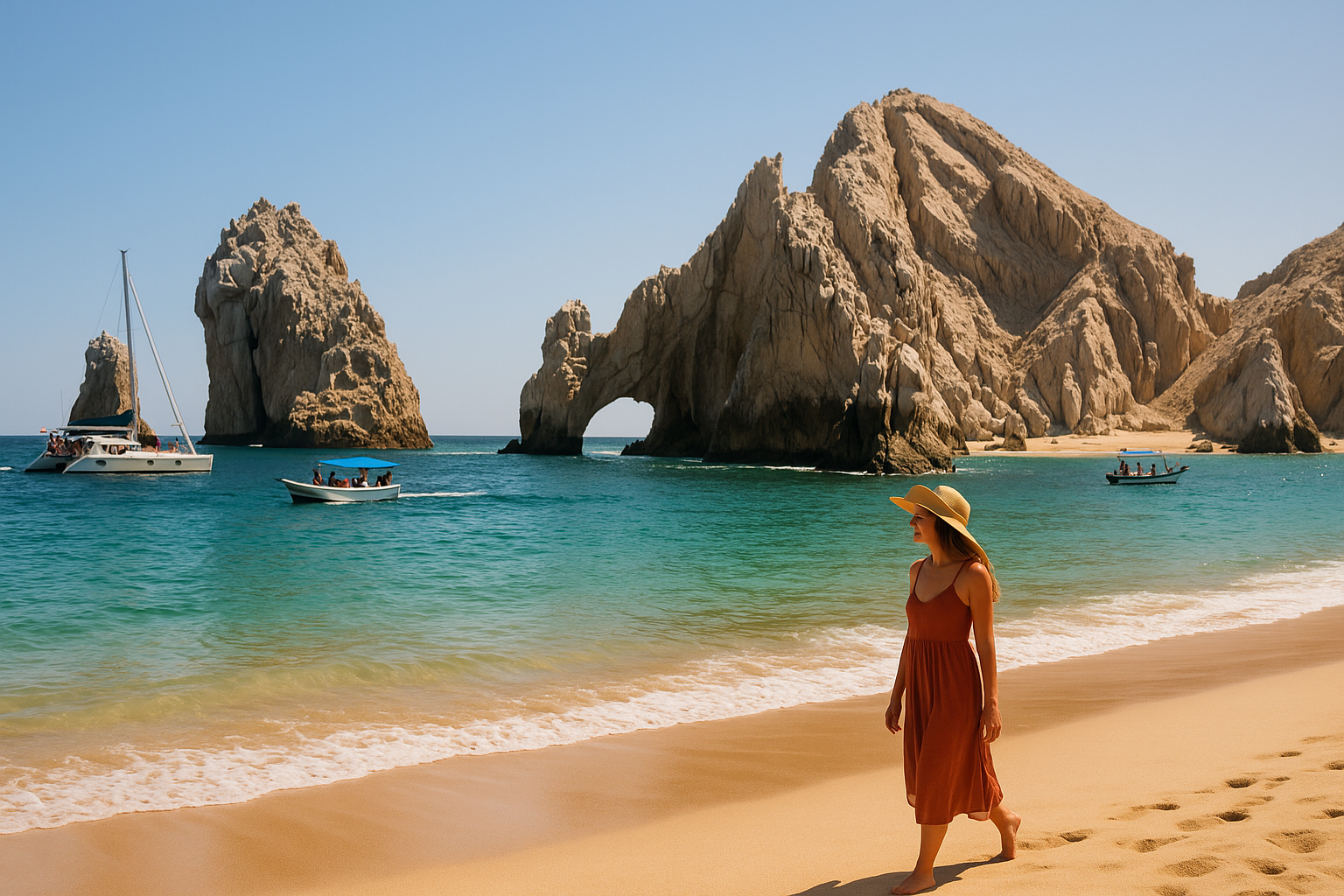
April to June in Cabo San Lucas marks a sweet spot for those seeking a more relaxed vibe. As the tourist numbers taper off after the winter high season, you’ll find the beaches considerably less crowded. Playa del Amor, known for its dramatic rock formations and turquoise waters, becomes a tranquil spot perfect for unwinding. During these months, water temperatures hover around a pleasant 72-75°F, creating excellent conditions for snorkeling. Consider heading over to Chileno Bay, where the tranquil waters provide clear visibility, showcasing a vibrant array of marine life from colorful angelfish to the occasional sea turtle. Experienced snorkelers might even want to venture a little further to Santa Maria Bay for secluded underwater adventures.
Aside from the possibility to snorkel without constantly dodging crowds, the decreased number of visitors in spring also means better deals on beach rentals and tours. Businesses eager to attract customers often offer discounts on boat charters and activity packages. For instance, you might snag a half-day yacht rental starting from $500, which is a great way to explore Cabo’s stunning coastline without the high-season price tag.
- Try snorkeling at Chileno Bay for calm waters filled with diverse marine life.
- Visit Playa del Amor early in the morning for a peaceful beach experience.
- Take advantage of off-peak pricing on tours and yacht rentals.
April plays host to the lively Cabo Marine Festival, a celebration of the sea’s bounty that attracts marine enthusiasts and seafood lovers alike. This month-long event kicks off with boat parades, cooking demonstrations, and plenty of seafood tastings held at the marina. It’s an excellent opportunity to sample freshly caught mahi-mahi tacos or try your hand at local recipes during a cooking class. The festival also features educational exhibits aimed at ocean conservation, making it perfect for families looking to include a touch of learning in their holiday. Attending the festival provides a candid glimpse into the local culture and lifestyle that you might miss during busier periods.
Spring is a prime time to soak up all that Cabo San Lucas has to offer, from aquatic adventures to cultural festivities, all without the high-season fuss. With nature reawakening and the festive community heartbeat palpable, you’ll likely leave with unforgettable memories and a newfound appreciation for this Baja gem.
Summertime Travel: What to Know
Summertime in Cabo San Lucas, which spans from June to August, provides travelers with unique opportunities to explore the shimmering blues of the Sea of Cortez. This season is perfect for diving enthusiasts, as water temperatures can climb to a comfortable 82°F by August. Dive sites like Pelican Rock and Neptune’s Finger are particularly traffic-free during weekdays, offering more serene experiences for those fond of exploring marine life. This is the ideal time to encounter swaying sea fans, vibrant parrotfish, and possibly even a curious sea turtle making its leisurely way past you. Local dive shops, such as Manta Scuba, often offer summer packages, with prices starting around $120 for a two-tank dive that includes equipment rental and a dive master guide.
However, visiting during summer means preparing for humid conditions and the sporadic tropical shower. While the mornings are often clear and bright, it isn’t uncommon to experience brief bursts of rain in the late afternoon or evening. Be sure to pack a lightweight, waterproof jacket or poncho for these instances. The good news is, these showers are usually short-lived and rarely interfere with daytime activities. As the afternoon heat peaks, consider taking a siesta or enjoy a shaded retreat at a beachside palapa with a chilled margarita in hand.
Summer Events: Surf’s Up and More
Beyond ocean activities, summertime brings lively events to the Cabo San Lucas scene. The Los Cabos Open of Surf, held in June at Zippers Beach in San José del Cabo, is a highlight. This four-day event doesn’t just attract surf professionals from around the globe but also features music performances and beachfront parties. It’s a great occasion to mingle with locals and fellow travelers, soaking in the festive atmosphere. Admission is typically free, although some concerts might require tickets, charged separately. For those looking to dive into the culture and community of Cabo, this surfing festival provides a memorable blend of sport and entertainment.
- Ideal dive season: June to August
- Average water temperature: 82°F by midsummer
- Dive package estimate: $120 with Manta Scuba
- Weather tip: Pack for humidity and occasional showers
- Event to catch: Los Cabos Open of Surf in June
Fall Adventures in Cabo San Lucas
October and November mark a golden window for travelers heading to Cabo San Lucas, where the allure of autumn creates a perfect blend of pleasant weather and fewer tourist throngs. The summer heat mellows, leaving temperatures hovering comfortably between 77°F to 90°F (25°C to 32°C). You can enjoy this period without the typical summer surges, meaning quicker access to prime spots and more personalized experiences. The beaches along the Pacific Ocean and Sea of Cortez regain their serenity, offering idyllic conditions for everything from beachcombing to snorkeling adventures.
Cultural Festivities and Experiences
While October and November shine brightly, don’t overlook mid-September. September 16 is Mexican Independence Day, celebrated with vibrant parades, traditional music, and fireworks that light up the coastal skies. The festivities are a precursor to the tranquil months that follow — a cultural immersion you won’t want to miss. El Squid Roe and Cabo Wabo Cantina, local nightlife staples, come alive with energy, offering a spirited taste of Mexican hospitality.
During the fall, Cabo San Lucas becomes a haven for those keen on nautical ventures. Yacht rental prices are more competitive without the peak season markup. Expect daily rates to range from $800 to $1,200 depending on the vessel size and amenities. The waters are calm, making this the ideal time for a leisurely sail or a fishing trip. Many find the later months perfect for tour deals, like sunset cruises that often include drinks and appetizers.
| Experience | Price Range (USD) | Best Month |
|---|---|---|
| Yacht Rental | $800 – $1,200 per day | October |
| Snorkeling Tour | $50 – $100 per person | November |
| Sunset Cruise | $60 – $120 per person | October |
Besides water escapades, exploring the less crowded beaches rewards visitors with incredible photo opportunities as sunsets color the sky in striking hues. Local eateries, known for their fresh seafood, are more accessible and relaxed, allowing you to savor the flavors of Baja California Sur at your own pace. Tortuga Bay, for example, offers a languid beach experience with spacious stretches perfect for evening walks or picnicking against the setting sun. For travel enthusiasts, October and November provide an unrivaled time to experience Cabo San Lucas like a well-kept local secret.
Unique Experiences by Season
Seasonal Delights in Cabo San Lucas
One of the best aspects of visiting Cabo San Lucas is the chance to experience its unique culinary scene, especially during its lively food festivals. In March, head over to the GastroVino Festival held in the charming town of Todos Santos, just an hour’s drive from Cabo. This festival celebrates Baja California Sur’s finest wines and culinary creations, featuring local chefs and vintners. If you’re in town during October, don’t miss the Sabor a Cabo event, a food and wine festival that tantalizes taste buds with local flavors matched with an impeccable selection of wines and live entertainment. Be prepared for ticket prices to range from $80 to $200, depending on the event’s exclusivity.
Fishing enthusiasts will find Cabo’s shoulder seasons, particularly in May and November, ideal for testing their skills against the likes of marlin and tuna. The Bisbee’s Black & Blue Marlin Tournament, usually held in late October, is one of the richest fishing events worldwide, offering millions in prizes. Participation fees can be steep, starting around $5,000, but the experience and potential rewards are unparalleled. If golfing is more your speed, the temperate-weather shoulder months are perfect for teeing off at one of Cabo’s world-class courses like Quivira Golf Club or Cabo del Sol. Green fees range from $150 to $300, depending on time and availability.
For those fascinated by marine life, the whale shark sightings from October through April are unmissable. Book a snorkeling or diving tour with local operators like Cabo Adventures for a half-day experience costing around $200 per person. You’ll have the chance to swim alongside these gentle giants in the Sea of Cortez, making memories that’ll last a lifetime. Always check with local guides to ensure the best times for these encounters, as nature’s schedule can be unpredictable.
Each season in Cabo San Lucas offers its own set of special experiences, ensuring no matter when you visit, there’s always something one-of-a-kind to enjoy.
Logistics of Traveling to Cabo San Lucas
Affordable Flight Options
If you’re on the lookout for budget-friendly flights to Cabo San Lucas, marking your calendar for September is a savvy move. September marks the low season for travel here, primarily due to the hot and humid weather coupled with the threat of hurricanes. Airlines often reduce their fares to fill seats, making it an opportune time to snag a deal. Keep an eye on major airlines like American Airlines and Delta, as they tend to offer competitive rates. Prices can dip as low as $250 for a round-trip flight from Los Angeles. Don’t hesitate to set up fare alerts on travel platforms like Google Flights or Skyscanner to catch these deals as they appear.
Local Transportation Options
Once you’ve landed in San Jose del Cabo, approximately a 45-minute drive from Cabo San Lucas, you’ll need to decide on your mode of local transportation. Renting a car is a popular choice, especially if you plan to explore areas beyond the resort town. Expect to pay around $20 to $40 a day for a standard car rental. Companies like Hertz and Alamo have convenient pick-up locations at the airport itself. For those who prefer to stick to the beaten path, the public bus system, known as the ‘Ruta del Desierto,’ is both affordable and efficient. A one-way fare from the airport to downtown Cabo San Lucas costs roughly $5 USD, with buses running approximately every 30 minutes during the day.
Planning Accommodation During Peak Seasons
Cabo San Lucas sees an influx of visitors during peak seasons, particularly from December to April, when whale-watching opportunities peak, and the weather is comfortably warm and dry. If your travel plans align with these months, pre-booking your accommodation is essential. Popular spots like the Hacienda Beach Club & Residences or the more budget-friendly Los Milagros Hotel often fill up quickly. Start looking at least three to six months ahead of your planned visit to secure your desired lodging. While prices can range widely based on your choice of luxury or simplicity, budget options generally hover around $100 per night, while upscale resorts can exceed $500 per night, depending on location and amenities.
Cost Considerations Throughout the Year
Peak Season Travel and Costs
During Cabo San Lucas’s peak tourist season, which generally spans from late December through April, expect a surge in prices across accommodations, flights, and activities. This period coincides with the cold winter months in North America, drawing in sun-seeking vacationers. Hotels along Medano Beach, such as the Hacienda Beach Club and Casa Dorada, often see their rates jump by 50% or more compared to the off-peak months, with nightly rates hovering around $350 to $600 for a standard room with an ocean view. Premium experiences, like private yacht rentals for sunset cruises through the famous Arch of Cabo San Lucas, also see an uptick in prices, sometimes costing around $800 to $1,200 for a three-hour excursion. The upside, though, is access to a full roster of events and activities, from the vibrant nightlife of downtown Cabo to exclusive culinary experiences curated by renowned chefs.
To make the most of your high-season getaway without breaking the bank, consider booking tours and excursions as part of package deals. Several local operators offer bundled packages that include a combination of activities such as snorkeling tours in Santa Maria Bay, camelback rides on the beach, and access to spa treatments. Bundles like these can provide savings of 10-20%, depending on the season, turning a luxe vacation into a more feasible adventure.
Advantages of Off-Peak Travel
Traveling during the off-peak months of May to early October offers the opportunity to enjoy Cabo’s stunning landscapes and experiences without the high season crowds or costs. During this time, resort prices drop significantly — you might find accommodations at high-end resorts like the Grand Solmar Land’s End Resort for as little as $200 per night. Summer, though hotter and more humid, invites quieter beaches that make for relaxing days under the sun without battling for space or services.
Off-peak travel is also a smart option for those wanting to maximize their budget on unique experiences. Many tour operators offer discounts or special promotions to encourage visitors during this slower period, allowing savvy travelers to access excursions like deep-sea fishing charters or ATV tours through the Baja desert for up to 30% less than during peak months. Booking experiences directly through reputable local vendors, especially those with well-reviewed establishments like Wild Canyon Adventures, can also fetch better rates.
Ultimately, by choosing to visit during less crowded times, travelers not only save on various aspects of their trips but can also indulge in quieter experiences, possibly gaining a more intimate understanding of this beautiful Baja paradise.
Safety Tips for Visiting Cabo San Lucas
Weather and Natural Precautions
When planning your trip to Cabo San Lucas, especially if you’re aiming for the summer months from June to October, it’s vital to pay close attention to weather advisories due to the potential for hurricanes. The hurricane season can bring unpredictable weather that may affect your travel plans. It’s wise to check the forecasts from reliable sources like the National Hurricane Center and local news outlets. This way, you can adjust your itinerary accordingly and ensure you have adequate travel insurance that covers trip interruptions.
Stay informed on the latest travel advisories issued by both Mexican authorities and your home country’s government. These advisories can provide important information on safety conditions and any emerging situations that may affect tourists. Websites like the U.S. Department of State or Canada’s Travel Advice and Advisories are useful for keeping up-to-date. It’s also beneficial to register with your embassy when traveling, so you can receive timely alerts and assistance if needed.
Maintaining personal safety is just as important as staying informed about natural events. Though Cabo San Lucas is largely considered safe for tourists, it’s prudent to exercise the same caution as you would in any tourist destination. At night, stick to well-lit, populated areas and steer clear of isolated spots. Popular areas around the Marina and Médano Beach are usually bustling even after dark, offering a variety of nightlife options while remaining within the safety of a crowd. If you’re exploring beyond these hubs, consider using reputable taxi services or ride-sharing apps like Uber, which are both convenient and considered safe. Always carry a little cash, as certain places might not accept credit cards, but avoid displaying large amounts of money. By following these tips, you can enjoy your stay in Cabo San Lucas with peace of mind.
What to Avoid and Pitfalls
Smart Booking: Timing is Everything
Avoid the temptation to wing it with last-minute bookings if you’re planning your trip between December and April. This period marks the high season in Cabo San Lucas, when the weather is idyllic but demand for accommodations, tours, and yacht rentals skyrockets. Prices can soar, and availability can become a serious issue. Booking at least three months in advance can save you a lot of stress and often some cash. Don’t be surprised to see hotel rates in Medano Beach or the Marina district climb to $300 a night or more during these months. By securing your plans early, not only will you have more options to choose from, but you might also snag a package deal that includes activities like sunset cruises or snorkeling tours.
Water Woes: Stay Safe in the Ocean
Cabo San Lucas is renowned for its stunning beaches, but the ocean isn’t always as tranquil as it seems. Particularly after the rainy season, which typically occurs from late July to September, runoff can impact water quality, and beach currents can be stronger than usual. This is more prevalent at spots like Zippers Beach or near the Arch of Cabo San Lucas. Before jumping into activities like swimming or kayaking, especially off Lover’s Beach and Divorce Beach, it’s wise to check local advisories. Lifeguards post flags indicating water safety conditions: green means go, yellow signals caution, and red means stay out of the water. Investing in travel insurance that covers water sports is also a good precaution, just to be on the safe side.
Choose Wisely: Book Verified Tours
Adventure beckons in Cabo, but not all experiences are created equal. The allure of a discount snorkeling trip or a late-night party tour might be strong, but unverified operators can quickly turn excitement into disappointment. Stick with reputable tour companies that have verifiable reviews and certifications. Tour operators like Cabo Adventures and Wild Canyon Adventures have earned solid reputations for quality and safety. While a verified hiking or zip-lining excursion might cost upwards of $75 to $150, you often get the added reassurance of insurance coverage and trained guides. As tempting as it might be to cut costs by going with the unknown, peace of mind and an enjoyable experience are well worth the potential extra expense.
Final Tips for a Memorable Cabo Experience
Packing Smart for the Season
Planning a trip to Cabo San Lucas involves more than just booking your flights and accommodations. Packing adequately for the season ensures you maximize your comfort and enjoyment. Winters in Cabo, from December to February, are delightfully mild with temperatures hovering around 70°F to 80°F. It’s wise to pack light layers for the cooler evenings. During the summer months, especially July and August, temperatures can soar to the mid-90s, so breathable clothing, swimwear, and high-SPF sunscreen are essential. A wide-brimmed hat and UV-protection sunglasses will help shield you from the intense sun while you embark on adventures.
Exploring Local Events and Festivals
Cabo San Lucas isn’t just about dazzling beaches and nightlife. The town boasts a vibrant calendar of events that can enrich your itinerary. In March, spring breakers flock to Cabo, making it a bustling time with a lively atmosphere. October sees the return of the Los Cabos International Film Festival, perfect for cinema enthusiasts. If you visit in November, you can savor the Sabor A Cabo culinary festival, where local and international chefs showcase the region’s delectable cuisine. Taking time to check out these events before your trip can align your visit with experiences that suit your interests.
Balancing Adventure and Relaxation
Cabo offers a spectacular blend of activities, from adrenaline-pumping adventures to serene escapes. To make the most out of your stay, allocate time for both. Consider spending a day exploring the underwater wonders during a snorkeling tour in Chileno Bay where tours generally start at $50 per person. Alternatively, for a splash of luxury, rent a yacht ranging from $300 to $1,500 for half-day excursions, complete with a captain and refreshments. Balance these adventures with more laid-back days on Medano Beach, one of the most popular spots for sunbathing and swimming. Remember to carve out some time to relax, sip on a margarita, and let the Pacific Ocean breeze rejuvenate you.
- Pack according to the weather forecast to avoid any unplanned shopping or discomfort.
- Research festival schedules online for ticket deals or packages that suit your interests.
- Mix activities based on energy levels to enjoy both high-energy adventures and relaxing beach days effectively.
Frequently Asked Questions
What is the best time to visit Cabo San Lucas for warm weather?
The ideal time for warm weather in Cabo is from late April to June. During these months, you can expect average temperatures ranging from 75°F to 85°F (24°C to 29°C), perfect for beach activities and outdoor adventures. Additionally, you’ll avoid the excessive heat of July and August.
Is it worth visiting Cabo during the rainy season?
Visiting Cabo San Lucas from August through October means you might encounter some rain, especially during September. However, prices for accommodations and activities often drop significantly at this time, making it an affordable option if you’re willing to take a chance with the weather. Often, brief rain showers are followed by sunshine.
What are the peak tourist seasons in Cabo San Lucas?
Peak tourist seasons in Cabo occur during winter, specifically from December through March, and again around major holidays like Thanksgiving and spring break. Expect higher prices and larger crowds, particularly around Christmas and New Year’s Eve. Booking accommodations and tours in advance is highly recommended during these busy times.
What month has the best activities and events in Cabo San Lucas?
October is a great month to visit because it hosts the Baja Surf Festival and the Cabo San Lucas International Film Festival, offering unique experiences. The weather is generally pleasant, with daytime temperatures around 80°F (27°C), which complements various outdoor activities available throughout the city.
Are there any unique experiences to enjoy in Cabo during fall?
Fall is an excellent time for whale watching in Cabo, particularly from mid-December to April. Tour operators offer various packages for whale watching tours, which provide an unforgettable view of these majestic creatures migrating along the coast. It’s advisable to book these tours ahead of time, especially during peak whale season.
How does local nightlife change with the seasons in Cabo San Lucas?
Nightlife in Cabo is lively year-round, but it really heats up from November to March, coinciding with the arrival of more tourists. Clubs like El Squid Roe and Cabo Wabo operate at full capacity, offering upbeat atmospheres and live music. Summer nights can be quieter, but there are always bars and venues with their unique events.
Is December a good time to visit Cabo for budget travelers?
December tends to be more expensive due to the influx of holiday tourists. However, if you plan to visit in early December before the holiday rush, you might find better rates on hotels and activities. As the month progresses, expect prices to rise sharply.
What should I pack for a trip to Cabo San Lucas during the winter months?
Packing for Cabo in winter, especially from December to February, calls for light layers. Daytime temperatures are mild, typically around 70°F (21°C), but evenings can be cooler, dropping to about 55°F (13°C). Don’t forget sunscreen, swimwear, and a light jacket for cooler nights.
Book your unforgettable experience now!













Comments are closed