
 Blog
Cabo whale watching tips can make the difference between a so-so outing and an unforgettable marine adventure. With its breathtaking scenery and thriving aquatic life, Cabo San Lucas is a premier spot for observing these majestic creatures up close.
Key Takeaways
- Plan your trip between December and April for the best chance to see whales.
- Choose a reputable tour company that prioritizes responsible whale watching practices.
- Bring essential gear such as binoculars, sunscreen, and a light jacket for varying temperatures.
- Learn about the local whale species to enhance your spotting skills and enjoyment.
- Respect the natural environment and the whales by keeping a safe distance during sightings.
Table of Contents
- Cabo Whale Watching Tips: Best Time to Go
- Selecting the Right Tour Company
- Essential Gear for Your Whale Watching Adventure
- Understanding Whale Behavior
- Top Viewing Spots and Routes in Cabo San Lucas
- Safety and Ethical Considerations
- Common Mistakes to Avoid
- Capturing the Moment: Photography Tips
- Frequently Asked Questions
Cabo Whale Watching Tips: Best Time to Go
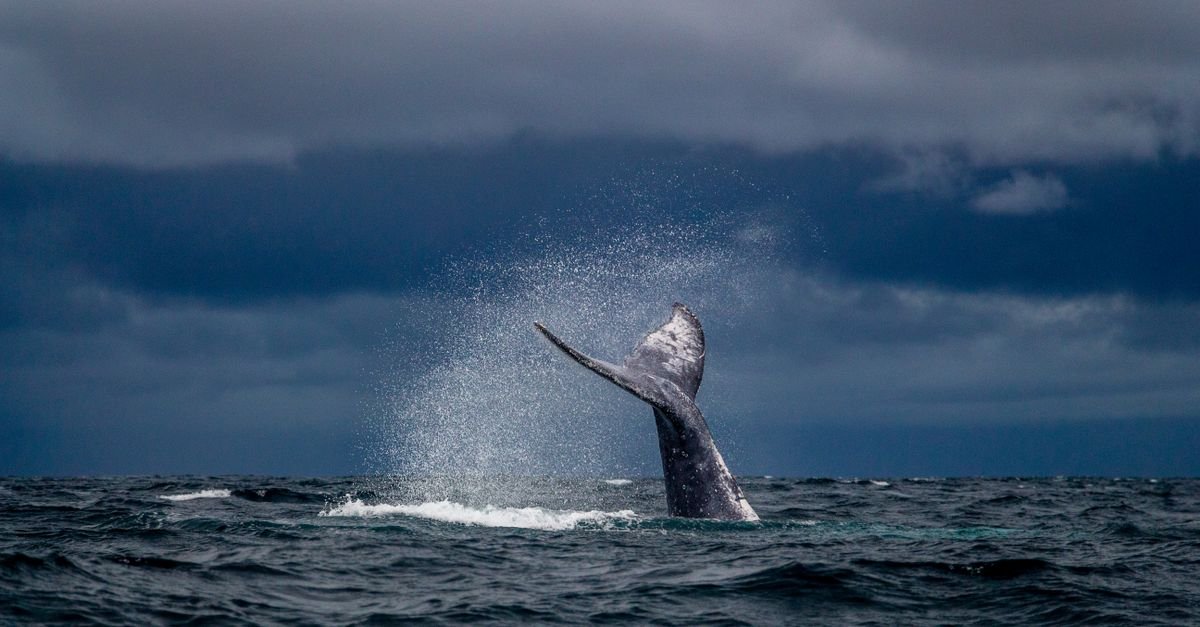
Whale watching in Cabo San Lucas is a truly spectacular experience, best enjoyed between December and April when humpback and gray whales migrate to the region’s warmer waters. This migration is a natural phenomenon that attracts both casual travelers and marine enthusiasts alike, making it a peak time for whale watching tours. During this season, it’s not unusual to witness these majestic creatures breaching and engaging in playful antics right off the coastline.
For optimal visibility and a more enriching experience, plan your whale watching trip around the new moon phase. The tides during this time can influence the feeding patterns of whales, making them more active and easier to spot. Generally, mid-morning or early afternoon tours are recommended, as this is when whale activity tends to peak, allowing for more sightings. If you’ve got flexibility in your schedule, aim for these windows to enhance your adventure.
- Peak season: December to April
- Plan trips around the new moon for better visibility
- Choose mid-morning or early afternoon for higher whale activity
When booking tours, consider choosing a local operator that offers knowledgeable guides. Their expertise can significantly enrich your experience, providing insights into whale behavior and ensuring adherence to conservation practices. So pack your binoculars and prepare for an unforgettable encounter with some of nature’s most amazing marine mammals!
Selecting the Right Tour Company
Choosing the right tour company for whale watching in Cabo San Lucas can make all the difference in your experience. A focus on eco-friendly practices is essential. Look for companies that not only prioritize sustainability but also educate clients about the importance of preserving marine ecosystems. Tours that implement responsible wildlife viewing techniques, such as keeping a respectful distance from the whales and minimizing noise pollution, help protect both the animals and their habitats.
Small group sizes can greatly enhance your whale watching experience. Smaller tours often mean more personalized attention and opportunities to engage with knowledgeable guides. This allows for a more intimate experience, where everyone can ask questions and learn about the whales and their behavior. In contrast, larger groups can lead to crowded boats and diminished interaction, which can detract from the overall experience.
Before committing to a tour operator, it’s wise to check reviews and ratings on platforms like TripAdvisor or Google. Customer feedback can provide insight into the quality of the tour, the guide’s expertise, and overall satisfaction with the experience. Aim for operators with consistently high ratings and positive reviews that specifically mention aspects you value, like environmental responsibility or exceptional guide knowledge.
Key Factors to Consider When Choosing a Tour Company
- Eco-Friendly Practices: Does the company promote sustainability and responsible whale watching techniques?
- Group Size: Does the operator limit the number of participants to enhance personal interaction and reduce impact on wildlife?
- Expertise of Guides: Are the guides well-reviewed for their knowledge about marine biology and local ecosystems?
- Customer Reviews: What do previous customers say about their experiences, particularly regarding the quality of the tour and the ethical treatment of whales?
You can find varying levels of whale watching experiences here, from larger boats that cater to more tourists to intimate private charters. Each comes with its pros and cons, so evaluating your preferences will help in making the best choice. Whether you prioritize personal experiences or affordability, Cabo San Lucas has options to satisfy all types of adventurers eager to witness the incredible marine life of the region.
Essential Gear for Your Whale Watching Adventure
Whale watching in Cabo San Lucas is a breathtaking experience, and having the right gear can enhance your adventure significantly. One essential item to bring along is a pair of binoculars. These can be a real game changer, allowing you to spot whales from a greater distance. With a good pair of binoculars, you can watch for spouts of water, sawtails, or even breaches from afar, giving you a better chance to capture those memorable moments on camera.
Dress appropriately for your whale watching day as well. While Cabo enjoys warm temperatures most of the year, the waters can be surprisingly chilly, especially in the early morning hours. Layer your clothing to adapt to changing temperatures; consider wearing a moisture-wicking base layer alongside a light jacket that you can easily take off or put on as needed. Remember, it’s always better to be slightly over-prepared, so you can enjoy the experience without being uncomfortable.
Don’t forget to protect yourself from the sun. The intensity of the sun while out on the open water can be much stronger than it seems. Apply sunscreen to all exposed skin and bring a wide-brimmed hat to provide shade for your face and neck. Even on cooler days, those UV rays can sneak up on you, leading to unwanted sunburn.
- Bring binoculars to enhance whale spotting experience.
- Layer clothing for varying temperatures, particularly in the morning.
- Wear sunscreen and a hat to protect against sun exposure.
By preparing with the right gear, your whale watching adventure in Cabo will be both comfortable and unforgettable, allowing you to focus on the majestic creatures that call these waters home.
Understanding Whale Behavior
When embarking on a whale watching adventure in Cabo San Lucas, understanding the types of whales you might encounter can significantly enhance your experience. Two of the most prominent species are the humpback and gray whales. Humpbacks are particularly famous for their dramatic acrobatics, often breaching the water and slapping their fins against the surface. This behavior isn’t just showy; it’s believed to play a role in communication and navigation, meaning when you spot one, it’s likely on a mission.
Gray whales are a bit different; they tend to be more curious and often approach boats closely. Unlike humpbacks, they’re known for their unique migratory patterns, traveling thousands of miles. In Cabo, from December to April, you can see these whales journeying from their feeding grounds in the Bering Sea down to the warm lagoons of Baja California to breed and give birth. This is the time to be out on the water, as the chances of sighting these magnificent creatures are highest.
Recognizing the different behaviors of these whales can make your outing more thrilling. For example:
- Breaching: When a whale leaps out of the water, it often creates a spectacular splash.
- Spyhopping: This occurs when a whale rises vertically in the water, peering around to see its surroundings.
- Tail Slapping: By slapping their tails on the water, whales can signal to others; this behavior is common among humpbacks.
- Lobtailing: Whales may use their tail flukes to impact the water, which can create a loud sound used in communication.
Each species has its distinct movements and social interactions. Researching these behaviors can deepen your appreciation and make every sighting even more special. For instance, if you’re able to catch a humpback breaching, understanding that it’s displaying its strength or excitement adds context to the spectacle.
To make the most of your whale watching time in Cabo, aim to learn about their behaviors ahead of your trip, so you can share those insights with fellow travelers and enjoy the show that nature provides.
Top Viewing Spots and Routes in Cabo San Lucas
The waters around Cabo San Lucas, especially near the iconic Cabo Arch and the Sea of Cortez, create an ideal environment for whale watching. This region is renowned for its nutrient-rich waters, attracting various marine life, including the magnificent gray whales, humpbacks, and orcas. These whales migrate to warmer Baja California Sur waters between December and April, providing ample opportunity for enthusiasts to see them up close.
Most whale watching tours focus on routes that traverse the areas where whales are frequently spotted. When choosing a tour, look for operators who have a reputation for maximizing sightings. They often employ experienced guides who understand whale behavior and can predict movement patterns, increasing your chances of a successful encounter. Some tours even incorporate a “sightings guarantee,” but keep in mind that nature can be unpredictable.
Combining Adventure with Scenic Views
In addition to the thrill of spotting whales, many operators offer sunset tours. These excursions not only grant the chance to see these majestic creatures but also provide breathtaking vistas as the sun sets over the Pacific. Picture yourself aboard a comfortable boat with a refreshing drink in hand, watching as the sky transforms into a palette of oranges, pinks, and purples, all while keeping an eye out for surfacing whales.
- Opt for tours that feature knowledgeable guides for better insights into whale behavior.
- Consider sunset tours for a unique combination of whale watching and stunning views.
- Check for routes popular among operators for higher chances to spot whales.
- Book your tour in advance, especially during the peak season for whale migrations.
Time spent on the water can vary, so inquire about the duration of the tour when booking. With the right planning, whale watching in Cabo San Lucas can become a memorable highlight of your trip, offering both adventure and the beauty of Baja California’s coastal scenery.
Safety and Ethical Considerations
When embarking on a whale-watching adventure in Cabo San Lucas, safety and ethical considerations should always be at the forefront of your experience. One of the essential rules is to maintain a respectful distance from the whales. Operators are required to stay at least 100 yards away from these magnificent creatures to avoid causing them stress or distress. This distance not only protects the whales but also enhances your viewing experience, allowing you to observe their natural behavior without interference.
Being mindful of the environment is equally important. When on the water, be aware of floating debris and delicate marine habitats. Avoid areas where you might disrupt coral reefs or other sensitive ecosystems. Picking up any trash you see can also contribute positively to the marine environment. Make sure to choose a reputable fishing or whale-watching operator who adheres to environmental guidelines, as this ensures that they prioritize both marine safety and their passengers’ experiences.
Following Your Guide’s Instructions
Your guide is an invaluable resource during your whale-watching trip. They not only offer insights into the whales’ behaviors and the surrounding marine ecosystem but also provide critical safety instructions. Following their guidance helps ensure your safety and that of the whales. If the guide indicates to move away or to stop making noise, it’s crucial to comply. This cooperation can significantly lessen disturbances to the whales and allow for a more memorable encounter.
- Keep a distance: Stay at least 100 yards away from the whales.
- Avoid floating debris: Look out for trash and avoid touching sensitive habitats.
- Follow guidance: Always heed your guide’s instructions regarding safety and whale interaction.
- Be respectful: Maintain a quiet environment to not disturb the marine life.
| Action | Responsibility |
|---|---|
| Maintain a respectful distance | All boat operators and passengers |
| Avoid disrupting marine habitats | Boat operators and passengers |
| Comply with safety instructions | All passengers |
By adhering to these guidelines, you not only ensure a safe journey for yourself but also contribute to the conservation of the whales and their environment. Each respectful interaction enhances the chance for future generations to enjoy the beauty of nature’s marvels off the coast of Cabo San Lucas.
Common Mistakes to Avoid
Whale watching in Cabo San Lucas can be a breathtaking experience, but a few common missteps can impact how much you enjoy this coastal adventure. Steering clear of these pitfalls can help you make the most of your time on the water.
First and foremost, avoid opting for the cheapest tour available. While budget-friendly options might seem appealing, they often come at the cost of quality. Many lower-priced tours may utilize older boats or underqualified staff, which can lead to a less enjoyable and potentially unsafe experience. Invest in a reliable tour that balances cost with quality, ensuring an experienced crew who prioritizes safety and customer satisfaction. A reputable company may charge a bit more, but your safety and enjoyment matter most.
Another mistake to dodge is overscheduling your itinerary. It’s easy to get caught up in planning multiple activities for your time in Cabo, but cramming too much into your day can diminish the overall experience. Allow yourself ample time to relax, soak in the scenery, and appreciate the majesty of the whales without feeling rushed. A more leisurely pace enhances your enjoyment and lets you truly connect with this stunning environment.
Finally, communication is key, especially when it comes to any medical concerns. Make sure to inform your guide of any allergies or medical conditions prior to setting out. This simple step is crucial for ensuring that the crew can accommodate your needs, helping to create a safe and enjoyable outing for everyone on board.
- Choose quality over cost for a better experience.
- Avoid cramming too many activities into your day.
- Always inform your guide of any allergies or health issues.
Capturing the Moment: Photography Tips
Get the Best Shots of Whales
Whale watching in Cabo San Lucas is a breathtaking experience, and capturing those moments on camera can be just as thrilling. To ensure you get the best shots, investing in a good zoom lens is a must. This lets you keep a respectful distance from the whales while still getting clear, detailed images. High-quality lenses allow you to photograph these magnificent creatures without disturbing their natural behaviors, which is vital for both their safety and yours.
Another key to successful whale photography is patience. Whales often surface for only brief moments, so being ready whenever they do is essential. Watch closely and anticipate their movements. Use your camera’s continuous shooting mode if available, as this can help you capture multiple shots of a whale’s breach or tail slap—moments that happen in the blink of an eye.
Considering the oceanic environment, a waterproof camera or a durable case can save you from inevitable water splashes. While excitement may lead to some splashes on the deck, having equipment that can withstand a little moisture ensures you won’t miss any action. Many photographers carry a microfiber cloth as well, which can be handy for wiping the lens clean after it gets wet.
- Invest in a nice zoom lens to capture detailed shots from a distance.
- Be patient and ready, as whales surface for short periods.
- Bring a waterproof case or camera to document your adventure worry-free.
- Consider using a continuous shooting mode for fast-moving action.
With the right preparation and equipment, you can leave Cabo San Lucas with not just memories, but stunning photographs that capture the beauty of these incredible mammals in their natural habitat.
Frequently Asked Questions
What is the best time for whale watching in Cabo San Lucas?
Whale watching in Cabo is best from December to March when gray, humpback, and blue whales migrate through the area. During this time, you have high chances of spotting these magnificent creatures, especially around the Cabo San Lucas Marine Park and off the coast.
Do I need to book a tour in advance for whale watching?
While last-minute bookings can sometimes work, it’s typically a good idea to book your whale watching tour in advance, especially during peak season. You’ll have a better chance of securing your preferred time and experience, since demand can be high.
What should I wear for a whale watching tour in Cabo?
Dress in layers for whale watching as temperatures can vary. A light jacket or sweatshirt is smart for the early morning or late afternoon trips, along with comfortable shoes. Don’t forget sunscreen and sunglasses, as you’ll be out on the water for hours.
Can I see whales from the beach in Cabo San Lucas?
Yes, it’s possible to spot whales from the beach, especially from locations like El Medano Beach or Cabo San Lucas Marina during the migration season. However, to get the best views and close encounters, a boat tour is strongly recommended.
Are there any specific etiquette rules to follow during whale watching tours?
Yes, it’s important to respect the whales and their habitat. Follow the captain’s guidance regarding distance to maintain, avoid loud noises, and never attempt to touch or feed the whales. This helps ensure their safety and the enjoyment of the experience for everyone.
What kind of boats are typically used for whale watching in Cabo?
Whale watching tours generally use various types of boats, including larger charter boats that provide stability and comfort, as well as smaller vessels for a more intimate experience. Each type offers a unique vantage point to enjoy the sighting.
Is it common to see dolphins while whale watching?
Yes, it is quite common to encounter dolphins alongside whales during tours, particularly in the waters around Cabo. They often join in on the fun, leaping and swimming near boats, which adds to the excitement of the adventure.
Learn more or contact the business with your questions.













Comments are closed