
 Blog
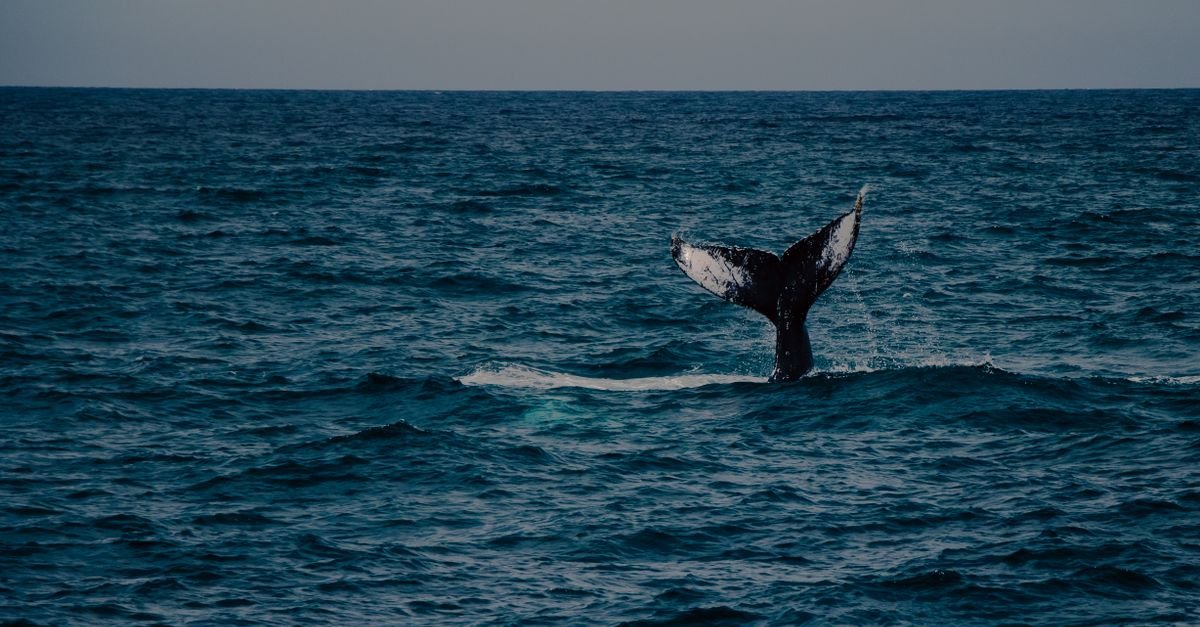
Whale watching Cabo San Lucas is an unforgettable experience that draws travelers from around the world. Picture yourself on a boat, witnessing these majestic creatures breach the surface in the sparkling waters of the Pacific. With the right tips and knowledge, you can make the most of your whale watching adventure.
Key Takeaways
- Cabo San Lucas is along the migration routes of various whale species, primarily grey and humpback whales, enhancing your chances of sightings.
- The best times for whale watching typically span from December to April, coinciding with the whales’ breeding season, providing opportunities for breathtaking views.
- Choosing a reputable tour operator with knowledgeable guides can significantly enhance your experience, ensuring you spot whales while learning about their behavior and habitat.
- Various tour options are available, including private charters, group tours, and eco-friendly trips, catering to different preferences and budgets.
- Safety gear and protocols are crucial during whale watching trips, ensuring a smooth and secure experience on the water.
Table of Contents
- Whale Watching Cabo San Lucas: Overview
- Types of Whale Species to Spot
- Best Times for Whale Watching
- Choosing the Right Tour Experience
- Logistics for Whale Watching Tours
- Tips for an Enjoyable Experience
- Safety and Regulations
- What to Avoid When Whale Watching
- Frequently Asked Questions
Whale Watching Cabo San Lucas: Overview
Cabo San Lucas stands out as one of the best spots in Mexico for whale watching, offering travelers a chance to witness these majestic creatures in their natural environment. From late December through early April, the waters surrounding Cabo come alive with the migration of various whale species, including humpback whales, gray whales, and even orcas. This seasonal spectacle draws tourists and marine enthusiasts keen to catch a glimpse of the whales breaching, spouting, and displaying their acrobatics.
The rich marine ecosystem in the area serves as an attractive feeding ground for these whales. The upwelling of nutrient-rich waters off the coast provides ample food sources, creating an ideal environment for whales as they migrate. Many reputable whale-watching tours operate during this period, often led by experienced guides who provide insights into the behavior and biology of the whales. These tours typically offer a unique perspective on the underwater world, allowing travelers to see the whales while learning about the fragile marine ecosystem they inhabit.
Conservation and Responsible Viewing
Legal protections exist to safeguard marine life in Cabo San Lucas, ensuring that whale watching is conducted responsibly. Regulations are in place to minimize the impact on the whales, with guidelines that promote respectful viewing distances and prohibit approaches that could disturb their natural behaviors. Participants in whale-watching tours are encouraged to follow ethical practices that enhance conservation efforts, such as not getting too close to the whales and adhering to the instructions provided by tour operators.
- Optimal whale watching season: late December to early April
- Common whale species: humpback whales, gray whales, orcas
- Rich marine ecosystem serves as a feeding ground
- Importance of responsible viewing and legal protections in place
Overall, whale watching in Cabo San Lucas offers an unforgettable experience and highlights the region’s commitment to marine conservation. Travelers can enjoy the beauty of these magnificent creatures while contributing to efforts that protect their habitats and ensure sustainable practices for future generations.
Types of Whale Species to Spot
Encountering Majestic Whales in Cabo San Lucas
Cabo San Lucas is a prime destination for whale watching, and the waters off its coast teem with several fascinating species during the migration season, which typically runs from December to April. The abundant marine life here is a significant draw for both experienced wildlife enthusiasts and casual tourists eager to witness these magnificent creatures in their natural habitat.
The grey whale is perhaps the most iconic species you’ll encounter. Renowned for its remarkable migration journey, it travels approximately 12,000 miles from the Bering Sea to Baja California’s warm lagoons to breed and nurse its calves. These whales are known for their friendly nature and will often approach boats, offering unforgettable close encounters for visitors.
Then there’s the humpback whale, famous for its acrobatics and beautiful songs. Watching a humpback breach—leaping out of the water—followed by a dramatic splash is a highlight of any whale watching tour. They are also known for their complex vocalizations, which can be heard underwater, adding an auditory delight to your sighting experience.
Another rare gem is the elusive blue whale. As the largest mammal known to have ever existed, blue whales can reach lengths of up to 100 feet. While they are less frequently spotted due to their vast range, occasional visits to Cabo’s warm waters offer a once-in-a-lifetime opportunity to see these gentle giants gliding gracefully through the ocean.
| Whale Species | Average Length | Unique Features |
|---|---|---|
| Grey Whale | 40-50 feet | Impressive migration, friendly behavior |
| Humpback Whale | 40-60 feet | Acrobatic jumps, complex songs |
| Blue Whale | 80-100 feet | Largest animal on Earth, rare sightings |
Whale watching tours around Cabo San Lucas often include knowledgeable guides who provide insights into these majestic animals and their behavior, enhancing your overall experience. Make sure to bring your camera, as the opportunity to capture these breathtaking moments is something you won’t want to miss!
Best Times for Whale Watching
The prime whale watching season in Cabo San Lucas spans from December to April, coinciding with the grey and humpback whales’ mating and calving periods. During these months, the Pacific waters are teeming with these magnificent creatures. January and February stand out as the peak months, as a larger population of whales arrives, making sightings increasingly likely. Many visitors choose to embark on whale watching tours during this time to witness the unique behaviors these whales display, such as breaching and tail-slapping.
Interestingly, timing your tour can significantly impact your whale sighting chances. Afternoon excursions tend to yield higher sighting rates compared to morning outings. This is partly due to the calmer waters later in the day, when the whales are more active. In the mornings, the ocean can be choppy, which might hinder visibility and make it harder to spot these gentle giants. Operators often report that afternoons provide a more serene atmosphere, allowing for a better experience overall.
Planning Your Whale Watching Trip
When planning your whale watching adventure, consider these tips to enhance your chances of a memorable experience:
- Book your tour in advance to secure your spot, especially during the busiest months.
- Choose a reputable tour operator known for smaller group sizes, which often results in a more personalized experience.
- Dress in layers, as temperatures can vary significantly between morning and afternoon tours.
- Bring binoculars – they can help you get a closer look at these magnificent marine mammals.
Choosing the Right Tour Experience
Whale watching in Cabo San Lucas offers a variety of tour options that cater to different preferences and budgets. Whether you’re looking for an intimate experience or a lively group outing, there’s a whale watching tour suitable for you. One popular option is the private charter. These tours provide a personalized experience, allowing you to tailor the itinerary according to your interests. You can specify the areas you wish to explore, ensuring that you maximize your chances of spotting these magnificent creatures. Special requests like onboard refreshments or exclusive viewing spots can often be accommodated, making it a perfect choice for families or couples celebrating special occasions.
For those who enjoy socializing and sharing their experiences, group tours present a fantastic opportunity. These tours tend to be more cost-effective and are a great way to connect with fellow nature enthusiasts. Many travelers find joy in exchanging stories and tips with others who share a passion for marine life. Group tours often allow for larger vessels, which can enhance the experience by providing a larger platform for watching the whales. Guides on these tours typically offer valuable insights about the local ecosystem and the behavior of the whales, enriching your overall experience.
Consider Eco-Friendly Options
If sustainability is a priority for you, consider participating in eco-friendly tours. These excursions generally utilize smaller boats that minimize environmental impact and promote marine conservation. Many eco-focused operators provide educational programs that inform guests about the importance of protecting marine habitats. By choosing an eco-friendly whale watching experience, you help support the preservation of the region’s natural beauty while still enjoying the thrill of seeing whales in their natural habitat.
- Private charters for a tailored experience
- Group tours for budget-friendly social interaction
- Eco-friendly options that prioritize sustainability
Logistics for Whale Watching Tours
Most whale watching tours in Cabo San Lucas begin their journey at the Cabo San Lucas Marina, which is centrally located and easily accessible. The marina serves as the hub for numerous operators offering both private charters and group tours. For those staying at nearby accommodations, many companies provide pick-up services, making it convenient to join a tour without the hassle of transportation. Be sure to confirm these options when booking, as each provider may have different arrangements.
During the peak whale watching season, which typically runs from December through April, it’s wise to book your excursion in advance. Tours can fill up quickly, especially during weekends and holidays, so securing your spot early can help you choose a preferred time slot. Early morning or late afternoon trips often offer the best chance for sightings, as whales are generally more active and likely to surface during these times.
The weather can be unpredictable, so dressing in layers is advisable. Even if the day starts out warm, temperatures can drop significantly once you’re out on the open water. It’s not uncommon to feel a chilly breeze, so a light jacket or sweater, along with sunglasses and sunscreen, can enhance your comfort. Preparing for these variable conditions will ensure you have an enjoyable experience on the water.
- Departures primarily from Cabo San Lucas Marina.
- Pick-up services available from nearby accommodations.
- Book in advance during peak season to secure spots.
- Dress in layers to accommodate changing weather conditions.
Tips for an Enjoyable Experience
Whale watching in Cabo San Lucas is an unforgettable experience, but preparing properly can enhance your adventure. The right gear can make all the difference when it comes to spotting these magnificent creatures up close. Start by bringing binoculars to enhance your viewing experience; they’ll help you catch sight of whales breaching or tail-slapping from a distance. A camera is also essential for capturing those remarkable moments. Just remember to keep your distance and avoid using flash to respect the whales and their natural habitat.
Staying hydrated is crucial during your whale watching tour. The sun can be intense, especially if you’re out on the water for a longer duration. Bring a refillable water bottle to keep yourself refreshed. If you’re sensitive to motion sickness, consider packing seasickness medication or ginger candies to help counteract any discomfort you might feel while on the boat.
It’s vital to respect marine life during your excursion. Most tour operators will provide guidelines to ensure a safe and enjoyable experience for both you and the whales. This generally includes maintaining a safe distance from the whales, minimizing noise, and refraining from feeding or attempting to touch them. By adhering to these practices, you contribute to the conservation efforts that help protect these majestic creatures for future generations to enjoy.
Quick Tips for Whale Watching
- Bring binoculars for better viewing.
- Pack a camera, but avoid flash photography.
- Stay hydrated with a water bottle.
- Consider seasickness medication if needed.
- Follow all guidelines set by your tour operator.
| Item | Tip |
|---|---|
| Binoculars | Essential for spotting whales at a distance. |
| Camera | Capture memories without disturbing the whales. |
| Water | Stay hydrated during your tour. |
| Seasickness medication | Helpful if you’re prone to motion sickness. |
| Guidelines | Respect marine life and follow operator instructions. |
Safety and Regulations
Engaging in whale watching in Cabo San Lucas provides an unforgettable experience and involves adhering to specific safety regulations that protect these majestic creatures. Local operators are required to follow stringent guidelines that dictate how close boats can approach whales, ensuring their welfare. Typically, boats must maintain a safe distance to prevent stress or disruption to the whales’ natural behavior. This measure is critical for the sustainability of wildlife tourism and the preservation of marine life.
Before setting off on a whale watching adventure, guests are usually briefed on safety protocols, which include the proper use of life jackets. These briefings cover emergency procedures, ensuring that everyone on board knows what to do in case of unexpected situations. It’s a standard practice for reputable tour companies to provide life jackets and outline safety measures, allowing passengers to enjoy the experience with confidence.
Additionally, while it’s not mandatory, obtaining travel insurance that covers marine activities is advisable. This type of insurance can provide peace of mind, accounting for potential mishaps, including weather-related cancellations or accidents. Engaging in activities on the water always carries a degree of risk, and travel insurance can help mitigate those concerns, allowing guests to focus on the thrill of seeing whales in their natural habitat.
- Operators enforce rules to maintain a safe distance from whales.
- Life jackets and emergency procedure briefings are standard for safety.
- Travel insurance for marine activities is advisable for added peace of mind.
What to Avoid When Whale Watching
Whale watching in Cabo San Lucas can be an incredible experience, but it’s important to be mindful of your choices to ensure a safe and enjoyable adventure for both the guests and the marine life. One key aspect to consider is avoiding tours that promise sightings. While these tours may sound appealing, they can be misleading. Whales are wild animals, and their behaviors are inherently unpredictable. No operator can guarantee that you’ll see these magnificent creatures, and unrealistic expectations can lead to disappointment.
Another crucial factor is the safety protocols of the tour operators. Always choose a company that emphasizes safety and equips its vessels with proper safety gear. This includes life jackets, first aid kits, and reliable communication methods. A reputable operator will brief you on safety measures before the tour begins, ensuring everyone knows what to do in case of an emergency. If safety isn’t prioritized, consider steering clear of that operator.
Respecting Wildlife
Respecting marine life is paramount when embarking on a whale watching tour. Avoid any behavior that could disturb the whales. This means steering clear of loud noises that could agitate them and keeping boat movements smooth and gradual. Sudden movements can startle whales, which may lead them to dive deeper or change their trajectory, making your experience less enjoyable and impacting their natural behavior. Observing whales from a respectful distance not only enhances your experience but contributes to conservation efforts.
- Avoid tours that guarantee whale sightings.
- Choose operators with clear safety protocols and equipment.
- Respect marine life by minimizing noise and abrupt boat movements.
By taking these considerations into account, you can ensure a more fulfilling and conscientious whale watching experience in Cabo San Lucas, creating lasting memories while contributing to the protection of these incredible creatures.
Frequently Asked Questions
When is the best time for whale watching in Cabo San Lucas?
The prime whale watching season in Cabo San Lucas runs from December through April. During this time, migratory whales, especially humpback whales, are commonly seen near the coast as they come to breed and nurse their calves.
What types of whales can be seen while whale watching in Cabo San Lucas?
Visitors to Cabo San Lucas can typically spot humpback whales, gray whales, and occasionally orcas during the whale watching season. Each species offers a unique viewing experience, from the acrobatics of humpbacks to the gentle migrations of gray whales.
How do I choose a whale watching tour in Cabo San Lucas?
When selecting a whale watching tour, consider factors like the size of the boat, group size, and whether the tour includes knowledgeable guides. Some tours also offer the chance to combine whale watching with other activities, like snorkeling or visiting local landmarks.
Are there any regulations for whale watching in Cabo San Lucas?
Yes, there are strict regulations in place to protect whales and their habitats. Tours are required to follow guidelines that include maintaining a safe distance from the whales, avoiding loud noises, and minimizing the time spent near the marine mammals.
What should I bring on a whale watching trip?
It’s a good idea to bring essentials like sunscreen, a hat, and binoculars for a closer look. Depending on the boat, you might also want warm clothing, as it can get chilly out on the water, especially in the early morning or late afternoon.
Can I do whale watching and other activities in the same day?
Absolutely! Cabo San Lucas offers a variety of activities that can be combined with whale watching, such as snorkeling, visiting El Arco, or enjoying a sunset cruise. Many tour operators offer packages that make it easy to experience multiple activities in one day.
What if I don’t see any whales on my tour?
Many whale watching tours offer policies for unsighted trips. If you don’t see any whales during your trip, some companies may offer a discount for a future tour. It’s best to check with your tour operator about their specific policies.
Learn more or contact the business with your questions.











Comments are closed