
 Beach Tours
The best snorkeling in Cabo San Lucas is on the Sea of Cortez side, where the water stays calmer and clearer than the Pacific. Chileno Bay and Santa María Bay along the Tourist Corridor are the top shore-snorkeling beaches, while boat tours reach reef spots near Pelican Rock at Land’s End. CaboCity is a U.S.-based booking platform that curates guided snorkel outings with local operators — the Cabo Snorkel & Sailing Adventure on the Sea of Cortez starts from $139.
Quick answer:
- Best snorkel beaches: Chileno Bay and Santa María Bay (Corridor), both swimmable and protected.
- By boat: Pelican Rock and Land’s End, reachable only on the water.
- Best conditions: summer and fall for warmest, clearest water; mornings for calm seas.
- Guided tour: Cabo Snorkel & Sailing Adventure from $139 (2 hours).
- Free cancellation up to 48 hours before departure.
Where is the best snorkeling in Cabo San Lucas?
Cabo sits where the Sea of Cortez meets the Pacific Ocean. The Cortez side is the snorkeling side: it is sheltered, warmer, and holds the reef fish and rocky bottoms that make for good visibility. The open-Pacific beaches, by contrast, often have strong currents and surf that are not suited to snorkeling or even swimming. That is why nearly all snorkeling happens along the Corridor between Cabo San Lucas and San José del Cabo, or on a boat trip around Land’s End.
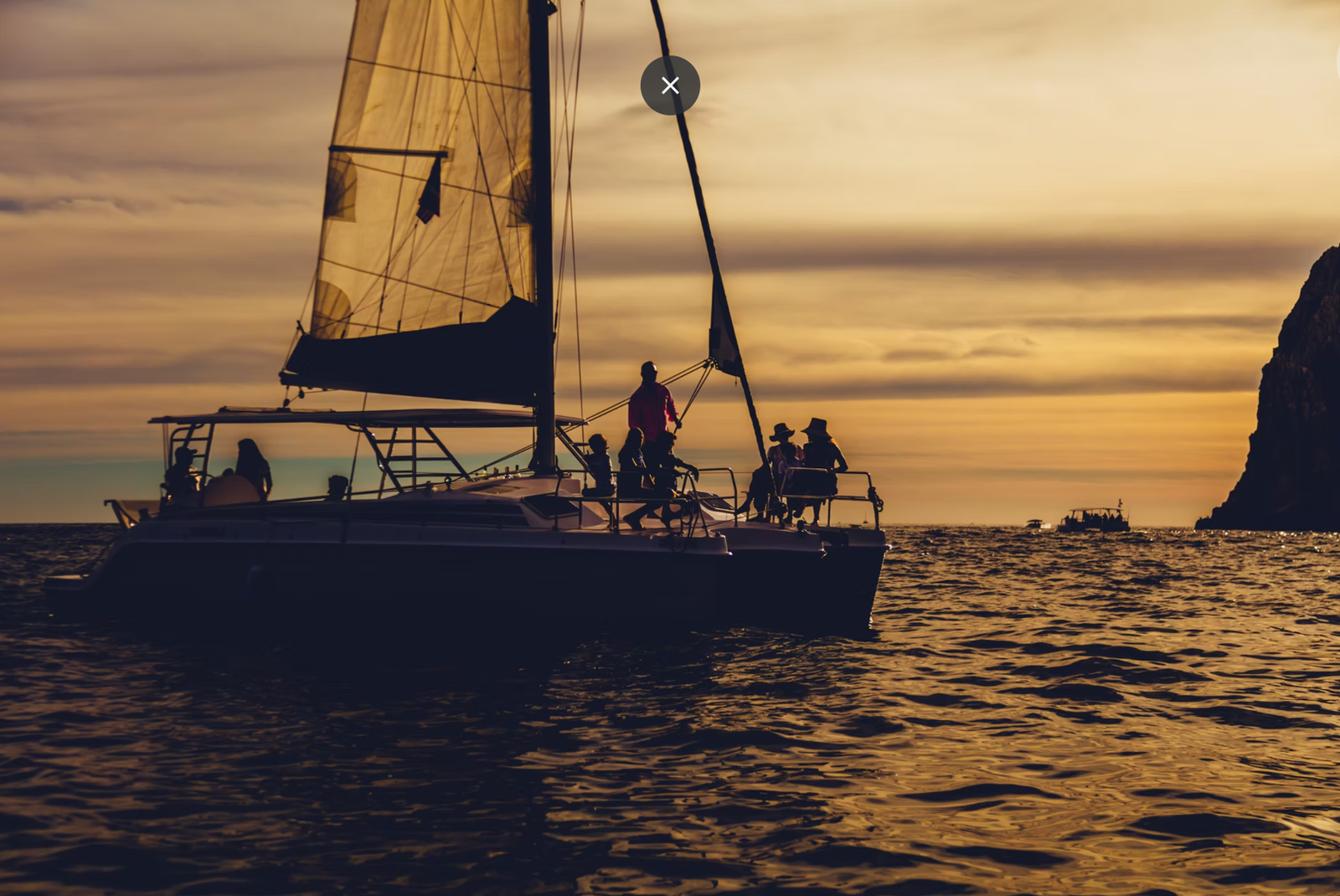
For a guided outing that combines sailing with a snorkel stop, the Cabo Snorkel & Sailing Adventure (from $139) is the easiest way to reach clear water without arranging your own transport and gear.
Top snorkeling spots
Chileno Bay
Chileno is many locals’ pick for the best all-around snorkeling beach. It is a protected, swimmable bay with a rocky reef at each end that draws parrotfish, angelfish, and sergeant majors. It has facilities and is popular, so arrive early on weekends for parking and space.
Santa María Bay
Santa María is a horseshoe-shaped cove and a designated marine area, smaller and quieter than Chileno. The rocky points hold plenty of fish and the calm water is beginner-friendly. Bring your own gear and water, as amenities are limited.
Pelican Rock and Land’s End
Just off Lovers Beach at Land’s End, Pelican Rock drops from shallow reef to a deep underwater canyon. It is reachable only by boat, so it is usually visited as part of a water taxi trip or a private charter. This is where many snorkel-and-Arch combo trips make their stop.
Snorkeling tours compared
Depending on whether you want a group sailing trip or your own private boat, here are the main ways to snorkel in Cabo through CaboCity. Prices are “from” rates that change with demand — confirm on the live trip page.
| Option | Best for | Duration | Price (from) |
|---|---|---|---|
| Cabo Snorkel & Sailing Adventure | Sailing + guided snorkel stop | 2 h | from $139 |
| Private 42ft Sailboat | Private group sail & swim | 3 h | from $950 |
| Private yacht charter | Private boat with crew | 2–3 h | from $449 |
If you prefer your own boat and schedule, browse the yacht charters, several of which include a snorkel stop in a calm anchorage. A group sailing trip is the more affordable route for couples and solo travelers.
When is the best time to snorkel in Cabo?
Water clarity and warmth peak from summer into fall, roughly July through November, when the Sea of Cortez is calmest and warmest. Winter snorkeling is still good but the water is cooler, so a light wetsuit or rash guard helps. In any season, book a morning trip: seas are usually calmest before the afternoon wind picks up, which keeps visibility high.
- Warmest, clearest water: summer to fall (July–November).
- Cooler but still good: winter — bring a rash guard or thin wetsuit.
- Best time of day: morning, before afternoon wind.
What to bring and know before you go
- Reef-safe sunscreen — required at protected marine areas and better for the reef.
- Water and a hat — some beaches like Santa María have few amenities.
- Your own mask if you have one; tours provide gear, but a familiar fit is more comfortable.
- Cash for parking or a water taxi at beaches you reach independently.
- Respect the wildlife — do not touch or stand on the reef.
What marine life will you see?
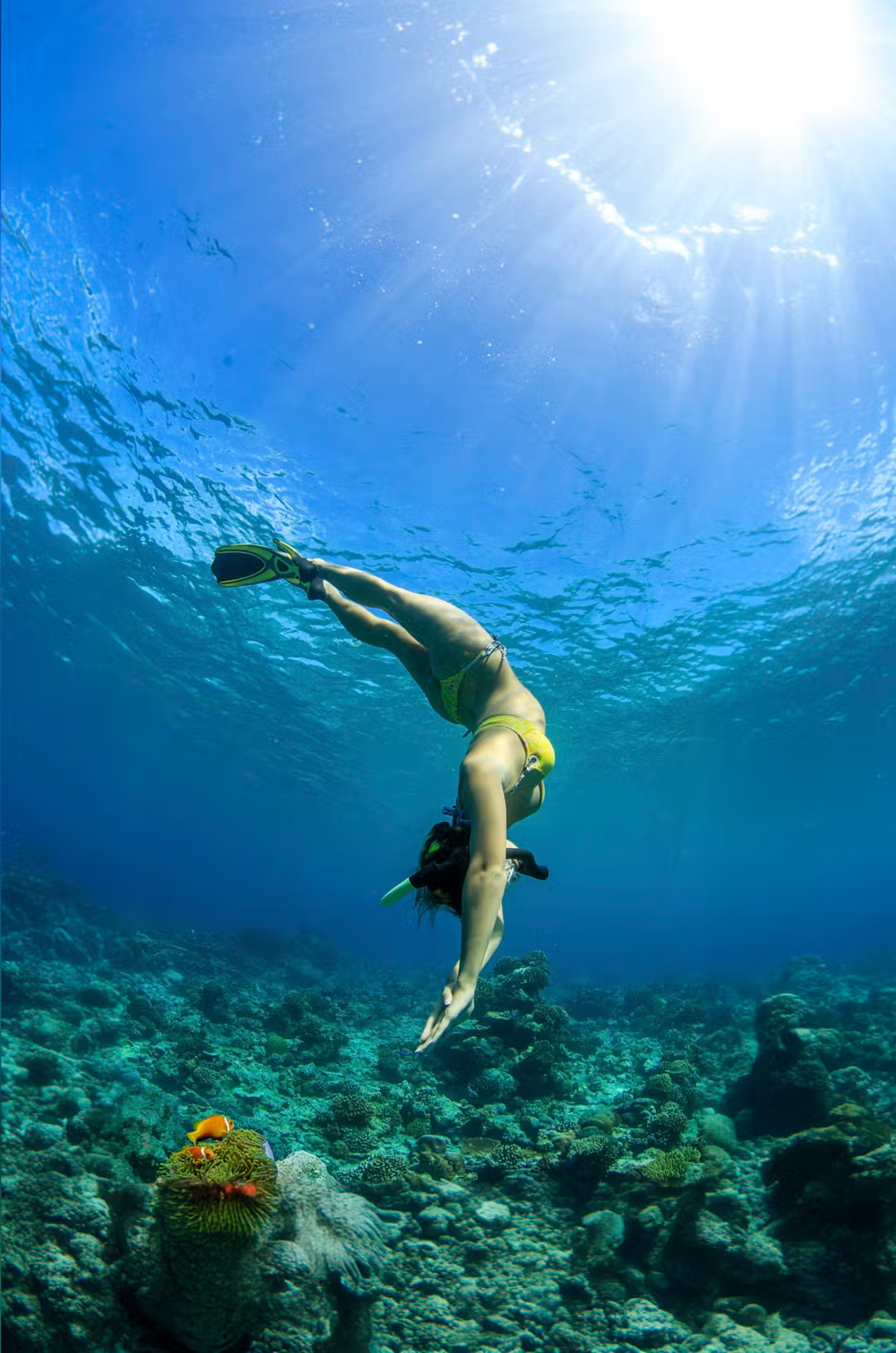
The Sea of Cortez earned its “aquarium of the world” reputation for good reason. On a typical shallow-reef snorkel in Cabo you can expect a colorful, easy-to-spot mix of fish and, if you are lucky, larger visitors passing through.
- Reef fish: king angelfish, parrotfish, sergeant majors, and schools of yellowtail surgeonfish.
- Pufferfish and moray eels tucked into the rocks.
- Sea lions near Land’s End, curious and playful in the water.
- Rays and, seasonally, whale sharks in nearby waters (whale sharks are more associated with La Paz).
Snorkeling vs. diving in Cabo
Snorkeling is the low-effort, no-certification way to see the reef, and it covers the best of what the shallow bays offer. Scuba diving reaches deeper sites and the dramatic underwater canyon off Pelican Rock, but requires certification or a supervised intro dive. For most visitors, a guided snorkel outing delivers the highlights with none of the setup, and it is far friendlier for families and first-timers. Pair it with a stop on the CaboCity tours hub to fill out your day.
Ready to book your Cabo experience?
Instant confirmation, secure Stripe checkout, and free cancellation up to 48 hours before departure.
Frequently Asked Questions
Where is the best place to snorkel in Cabo San Lucas?
The best shore snorkeling is at Chileno Bay and Santa María Bay along the Tourist Corridor, both calm, swimmable, and full of reef fish. By boat, Pelican Rock at Land’s End is a top spot. The Cortez side is far better than the Pacific side, which has strong currents.
How much does a snorkeling tour in Cabo cost?
On CaboCity, the Cabo Snorkel & Sailing Adventure on the Sea of Cortez starts from $139 for a roughly two-hour trip. Private sailboats and yacht charters that include a snorkel stop start higher, from $449 upward. Prices are “from” rates, so check the live page for current pricing.
Is the water clear enough to snorkel in Cabo?
Yes, on the Sea of Cortez side. Visibility is best in summer and fall when the water is warmest and calmest. Morning trips generally have clearer water than afternoons because there is less wind and surface chop.
Can beginners snorkel in Cabo?
Absolutely. Santa María and Chileno are protected, shallow bays that are ideal for first-timers, and guided tours provide gear and supervision. Choose a calm morning and stay within the sheltered areas rather than open water.
Do you need a boat to snorkel in Cabo?
Not always. Chileno and Santa María can be reached by car and snorkeled from shore. However, the best spots at Land’s End, including Pelican Rock, are only accessible by boat, so a tour or water taxi is required for those.









Comments are closed