
 News & Tips
Whale watching in Cabo San Lucas runs from roughly mid-December to mid-April, with the peak sightings in January, February, and March. During these months gray and humpback whales migrate into the warm waters off Baja California Sur to breed and calve, and they are regularly seen close to shore near Land’s End. CaboCity is a U.S.-based booking platform that curates whale tours with local operators — the popular Whale Watch & The Arch trip starts from $149 and pairs the whales with El Arco in one two-hour outing.
Quick answer:
- Season: mid-December to mid-April (peak January–March).
- Species: gray whales and humpback whales.
- Tour length: about 2 hours, often combined with El Arco.
- Price: Whale Watch & The Arch from $149.
- Free cancellation up to 48 hours before departure.
When is whale season in Cabo San Lucas?
The whale watching window in Cabo opens around mid-December and closes in mid-April. This lines up with the migration of gray and humpback whales down the Pacific coast and into the Sea of Cortez, where the calm, warmer water is ideal for mothers and newborn calves. The core months — January through March — are when the population offshore is largest and sightings are most reliable.
If your trip falls inside this window, a whale tour is one of the best things you can do on the water. Outside the season, boats still run to El Arco and Lovers Beach, but you will not see migrating whales. Check current departures on the CaboCity tours hub.
What whales will you see?
Gray whales
Gray whales travel one of the longest migrations of any mammal, from the Arctic down to Baja’s lagoons. They are calmer at the surface and are often spotted spouting and slowly cruising. Mothers with calves are a common sight in the peak months.
Humpback whales
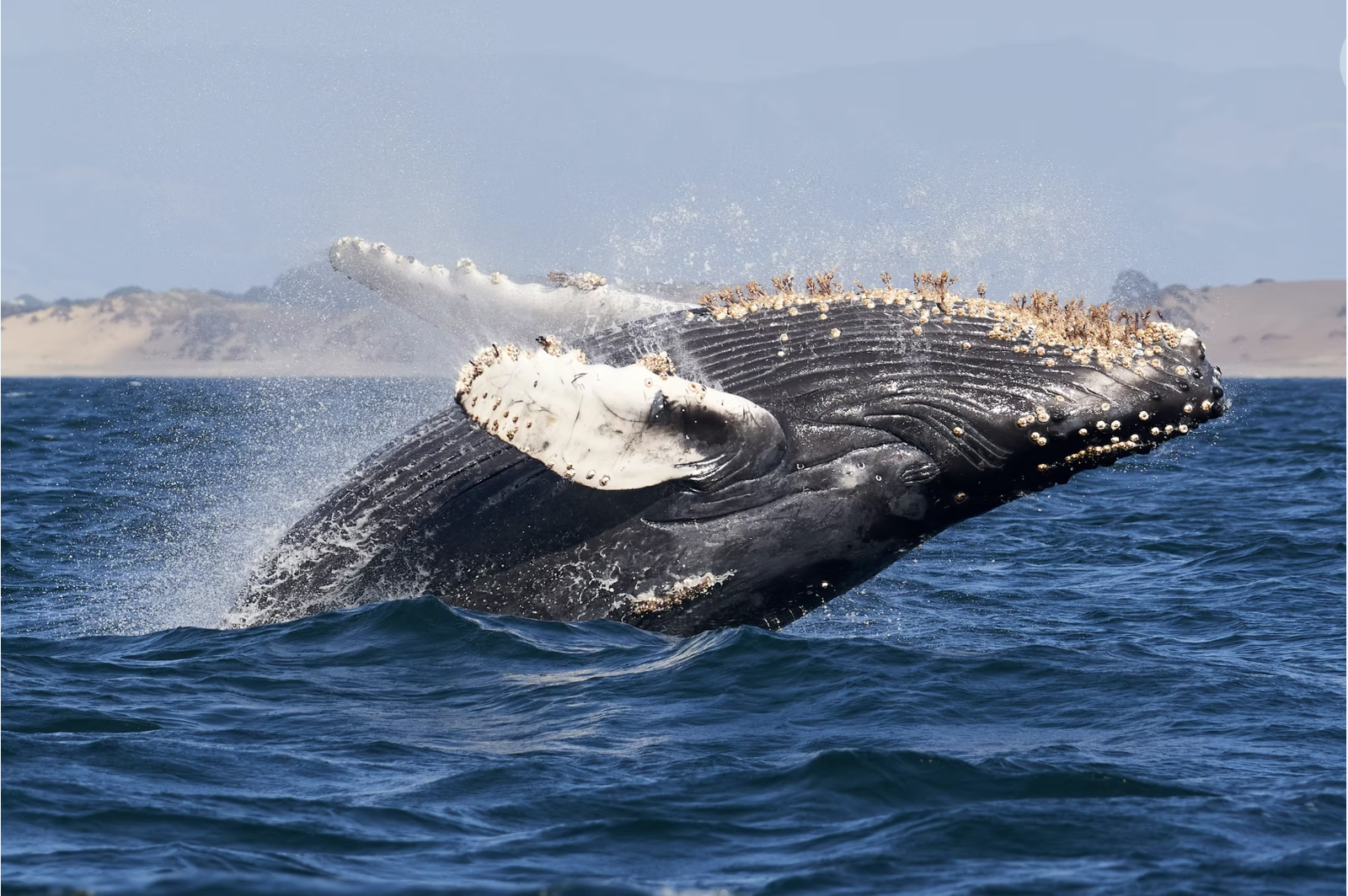
Humpbacks are the showmen. They breach, slap their tails and pectoral fins, and are the whales most likely to give you an acrobatic display. Their surface activity makes them a favorite on Cabo tours.
To see either species with El Arco in the same trip, the Whale Watch & The Arch tour (from $149) is the most efficient option.
What to expect on a whale watching tour
Most whale tours in Cabo last about two hours and depart from the marina near downtown Cabo San Lucas. A typical outing cruises toward Land’s End, passing the sea lion colony and El Arco, then heads into open water where whales are active. Guides watch for spouts and position the boat at a respectful distance, in line with Mexican wildlife regulations.
- Bring: a light jacket, sunscreen, sunglasses, and a secure phone strap.
- Timing: morning departures usually have the calmest seas and best light.
- Motion sickness: if you are prone to it, take medication before boarding.
- Kids: whale tours are family-friendly and a highlight for children.
Whale watching tours compared
Here is how the whale-focused option compares with the other boat trips you can take in season. All prices are “from” rates that change with demand — confirm on the live trip page.
| Trip | Best for | Duration | Price (from) |
|---|---|---|---|
| Whale Watch & The Arch | Whales + El Arco in one trip | 2 h | from $149 |
| Cabo Snorkel & Sailing Adventure | Sailing + snorkel (whales possible) | 2 h | from $139 |
| Private yacht charter | Private group, whales from deck | 2–3 h | from $449 |
A private charter such as the yacht charters option lets your group watch whales from your own boat, though a dedicated whale tour is the most budget-friendly way to see them up close.
Tips for the best whale watching experience
- Go in January–March for the highest whale counts.
- Book a morning slot for calmer water and better visibility.
- Choose a combined trip so you also see El Arco and the sea lions.
- Book ahead in peak season — popular departures fill quickly.
- Bring binoculars if you have them, and be patient; whales set the pace.
Other wildlife you’ll see
Even on a whale-focused trip, you will usually see plenty of other marine life:
- Sea lions hauled out on the rocks near Land’s End.
- Pelicans and frigatebirds around Pelican Rock.
- Dolphins, which often ride the bow year-round.
- Mobula rays, sometimes seen leaping in large groups.
Responsible whale watching
Mexican regulations require boats to keep a respectful distance and limit how many vessels approach a whale at once. Reputable operators never chase or crowd the animals. Choosing a licensed tour through CaboCity supports responsible practices while still giving you excellent, close encounters.
Because whale season overlaps with Cabo’s warm winter, it is easy to build a day around the water — pair a morning whale trip with the Cabo Snorkel & Sailing Adventure (from $139) or an afternoon on Médano Beach.
Ready to book your Cabo experience?
Instant confirmation, secure Stripe checkout, and free cancellation up to 48 hours before departure.
Frequently Asked Questions
What months can you go whale watching in Cabo?
Whale watching in Cabo runs from about mid-December to mid-April, with peak sightings in January, February, and March, when the largest numbers of gray and humpback whales are off Baja California Sur. Outside this window, tours still run to El Arco but without whales.
How much does a whale watching tour in Cabo cost?
On CaboCity, the Whale Watch & The Arch tour starts from $149 for a roughly two-hour trip that includes El Arco. Prices are “from” rates that change with demand, so check the live trip page for current pricing.
What kind of whales do you see in Cabo?
The two main species are gray whales, which migrate from the Arctic to Baja’s lagoons, and humpback whales, known for breaching and tail-slapping. Both are commonly seen from December through April, often with mothers and calves in the peak months.
What is the best time of day for whale watching?
Morning departures are usually best because the seas tend to be calmer and the light is good for spotting spouts and breaches. Booking early also helps you beat afternoon wind, which makes the water choppier.
Are whale watching tours in Cabo good for kids?
Yes. Whale tours are family-friendly and often a highlight for children. Bring sunscreen, a light jacket, and motion-sickness medication if anyone is prone to it. The roughly two-hour length is manageable for most families.











Comments are closed